
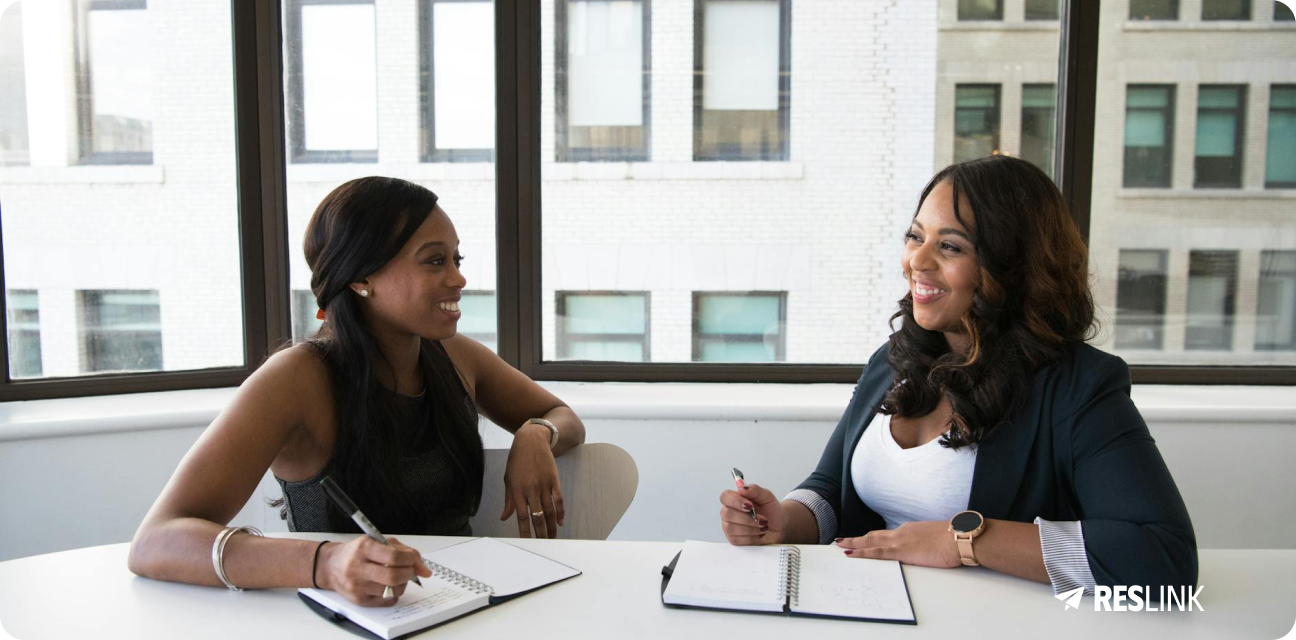
Preparing for an interview can be daunting, but with the right approach and resources, you can navigate it confidently and successfully. Here’s an in-depth guide on how to prepare for an interview, including key strategies, do’s and don’ts, and resources to help you stand out.
Understanding the Interview Process
Interviews typically follow a structured process. Knowing what to expect can help you prepare more effectively. Here are the common stages:
Screening Interview: Often conducted over the phone or via video, this stage focuses on basic qualifications and fit.
Technical/Skills Assessment: Tests specific job-related skills, often through tasks or problem-solving questions.
Behavioral Interview: Assesses how you’ve handled situations in the past to predict future behavior.
Final Interview: Involves senior management and focuses on cultural fit and final vetting.
Preparing for Each Stage
1. Screening Interview
Review Job Description: Understand the key responsibilities and required skills.
Prepare Your Elevator Pitch: Summarize your professional background and why you’re a good fit for the role.
Practice Common Questions: Be ready to discuss your resume, experiences, and why you want the job.
2. Technical/Skills Assessment
Brush Up on Skills: Review relevant technical skills and tools.
Practice Problems: Use online resources like LeetCode, HackerRank, or industry-specific platforms to practice.
Prepare for Practical Tasks: Be ready to complete tasks or case studies that demonstrate your skills.
3. Behavioral Interview
Use the STAR Method: Structure your answers to behavioral questions using Situation, Task, Action, and Result.
Reflect on Past Experiences: Think about specific instances where you demonstrated key skills and behaviors.
Practice Common Behavioral Questions: Such as teamwork, leadership, conflict resolution, and problem-solving.
4. Final Interview
Research the Company: Understand its culture, values, and recent news.
Prepare Questions: Have insightful questions ready for the interviewers to show your genuine interest.
Review All Previous Stages: Be ready to revisit topics from earlier interviews.
General Tips and Best Practices
Dress Appropriately: Match your attire to the company’s culture.
Arrive Early: Plan to arrive at least 10-15 minutes early to account for any unexpected delays.
Bring Necessary Documents: Copies of your resume, portfolio, and any other required documents.
Follow-Up: Send a thank-you email after the interview to express your appreciation and reinforce your interest.
Do’s and Don’ts
Do’s
Do Your Homework: Research the company and role thoroughly.
Do Practice: Conduct mock interviews to build confidence.
Do Be Honest: Authenticity is key; be truthful about your experiences and skills.
Do Show Enthusiasm: Demonstrate your excitement about the role and company.
Don’ts
Don’t Be Late: Punctuality is crucial.
Don’t Speak Negatively: Avoid badmouthing previous employers or colleagues.
Don’t Overcomplicate Answers: Keep your responses clear and concise.
Don’t Forget to Listen: Active listening shows respect and engagement.
Detailed Preparation Strategies
Research the Company and Role
1. Company Research
Website and Social Media: Review the company’s website, mission statement, and social media profiles to understand its values and culture.
News and Updates: Stay updated on the company’s recent news, projects, and industry standing.
Employee Reviews: Read reviews on sites like Glassdoor to get insights into the company’s work environment.
2. Role-Specific Research
Job Description Analysis: Break down the job description to identify key skills and responsibilities.
Skill Gap Analysis: Identify any gaps in your skills and find ways to address them.
Industry Standards: Understand the industry standards and expectations for the role.
Practice Common Interview Questions
1. General Questions
Tell me about yourself.
Why do you want to work here?
What are your strengths and weaknesses?
2. Behavioral Questions
Describe a challenging situation and how you handled it.
Give an example of a time you worked on a team.
Tell me about a time you showed leadership.
3. Technical Questions
Explain a complex technical concept to a non-technical person.
Walk me through your problem-solving process.
Describe a technical project you worked on and your role in it.
4. STAR Method
Situation: Describe the context within which you performed a task or faced a challenge.
Task: Explain the actual task you had to perform.
Action: Describe the actions you took to complete the task.
Result: Share the outcomes or results of your actions.
Prepare Your Documents
1. Resume
Tailor your resume to the job by highlighting relevant skills and experiences. Proofread carefully to eliminate typos and grammatical errors, and use a clean, professional format that’s easy to read.
2. Portfolio
Select work samples that best showcase your skills for the role. Organize them in a logical order with clear labels, and be prepared to explain your contributions to each project.
3. References
Choose references who can speak positively about your work ethic and abilities. Inform them in advance, providing context on the roles you’re applying for.
Resources for Interview Preparation
1. Online Platforms
Glassdoor: Company reviews, interview questions, and salary information.
LinkedIn: Networking opportunities, company insights, and job postings.
Indeed: Job search, company reviews, and interview tips.
2. Practice Tools
LeetCode: Technical interview preparation.
HackerRank: Coding challenges and interview practice.
Big Interview: Comprehensive interview training.
3. Reading Material
“Cracking the Coding Interview” by Gayle Laakmann McDowell: A must-read for tech interviews.
“The STAR Method Explained: Proven Technique to Succeed at Interview” by How2Become: Guide on the STAR technique for behavioral interviews.
4. Courses and Webinars
Coursera: Interview preparation courses.
Udemy: Job interview courses covering various aspects.
LinkedIn Learning: Professional development and interview preparation.
Conclusion
Interview preparation is crucial for success. By understanding the process, preparing for each stage, and following best practices, you can significantly improve your chances of landing your dream job. Utilize the resources provided, practice regularly, and approach each interview with confidence and enthusiasm.